

Positively Positive
No one likes a permanent rain cloud
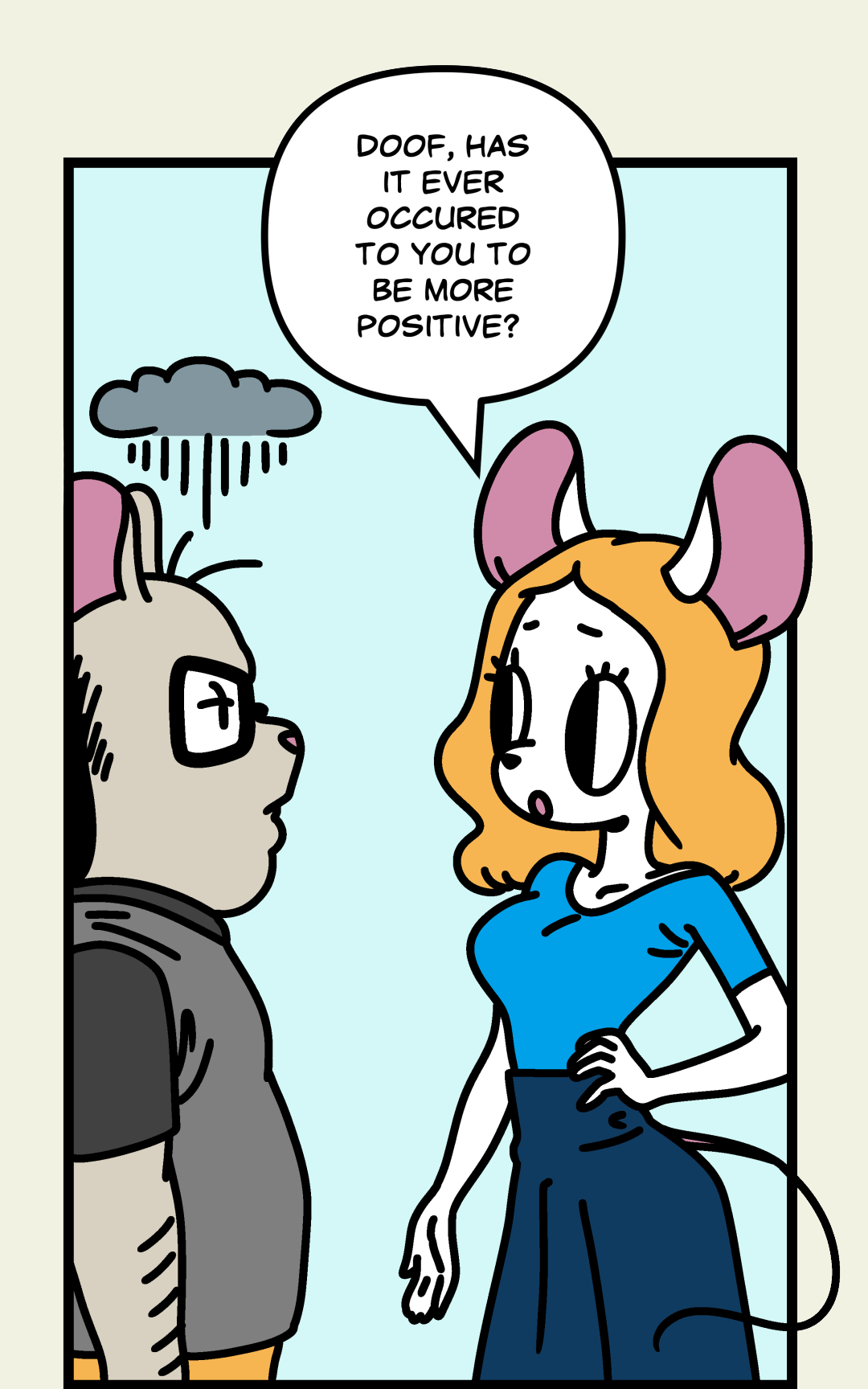
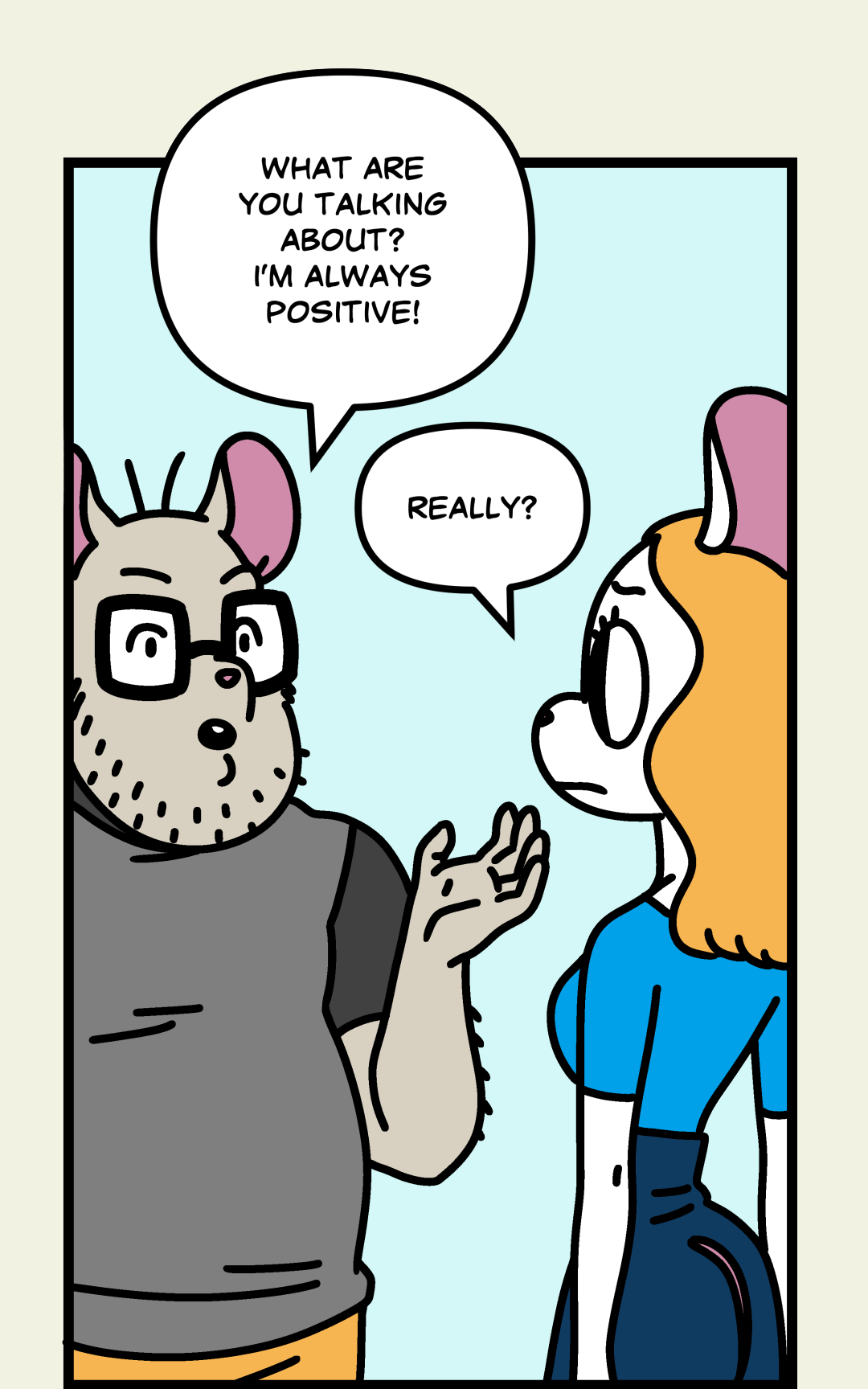
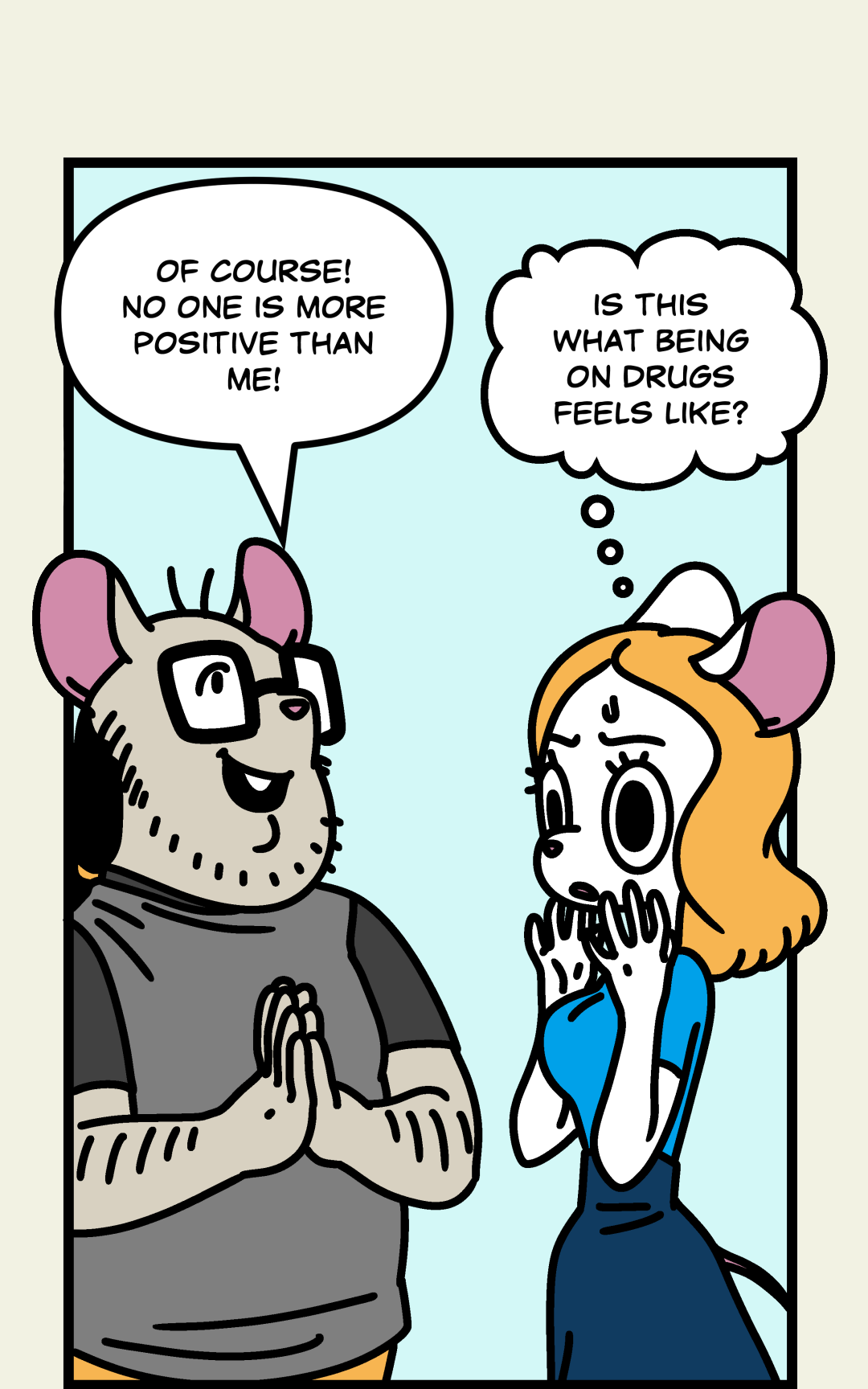
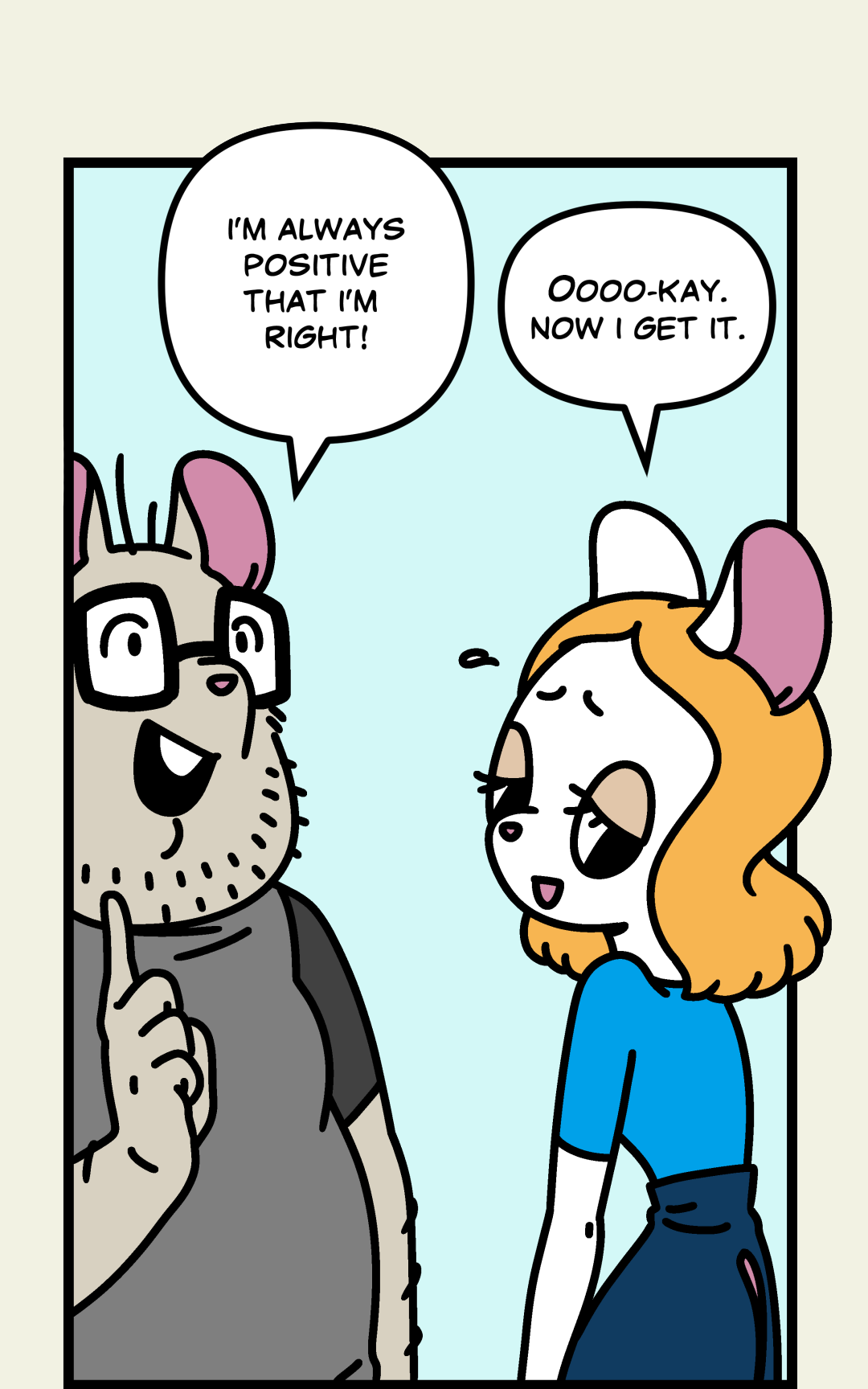
Negativity, contrarianism, and correcting others are three of the most reliable low-status male behaviors. For some reason, low-status men believe that these behaviors somehow elevate their social standing in the eyes of others, perhaps because they are laser-focused on the micro-level one-on-one interaction.
But most of the way we are judged by others is not on the basis of how we behave toward them. To the contrary, we are most often judged by the way we are observed to treat others. My suspicion is that because low-status men are inordinately narcissistic, they project their lack of observation onto others, and therefore genuinely believe that no one notices their negative behavior.
That is, of course, the Why, and the Why is always of less interest than the What. But if anyone here would care to venture an opposing theory, there certainly is no harm in that.
I believe that perspective-taking is key, or at least a significant reason, for social inadequacy.
My oldest was diagnosed on the spectrum and was in speech therapy. In speech therapy, he was identified as lacking perspective-taking, which was my first introduction to the concept. Essentially, perspective-taking is the ability to predict someone else’s lived experience.
My son complained of being bullied at school, but he didn’t have the awareness that his behaviors were annoying. He didn’t observe appropriate personal space. He would talk too loudly. He engaged in behaviors that were irritating. However, because of his inability to engage in perspective-taking and understand that another person was irritated by his behavior, he didn’t pick up on those subtle cues. I call them yellow warning flags or yellow lights in social communication and nonverbal signaling.
Adults will often give children those signs so they can course-correct their behavior. Other children are still developing that capacity and therefore do not yet have the tolerance for inappropriate behaviors. Thus, they would respond by yelling at him, pushing him, or engaging in some other aggressive behavior. From my son’s lived experience, he truly did not understand how his behavior was tied to those negative responses or that he had the agency to substantially change how people responded to him. He did not understand that so many of the negative experiences he had were tied back to things that were within his own power.
So we put him in speech therapy to help him learn these dynamics, because speech therapy doesn’t just teach the mechanics of sound and forming speech. It also teaches the foundational template for communication.
I took him to therapy for one hour every week for over three years to develop the skill of understanding and considering what other people may be thinking. In the beginning, he had no ability to mentally theorize someone else’s mind. Toward the end, with practice, he was able to understand, or at least hypothesize, how someone might interpret or receive his behavior or message.
Now that he’s older, I would argue that he has almost leapfrogged over his peers because he has the template for what a successful interaction looks like and what leads to that success. He is able not only to assess his own behavior and interactions, but to analyze others, see what is missing, and then fill in that gap.
He was always a sweet, lovely child, but his humor was weird and off-putting. Now his humor has aged like fine wine. He is so funny. He is so charming. He can make an entire retail store of strangers laugh. It has substantially changed the way the world interacts with him.
And that change came through developing his ability for perspective-taking.
"For some reason, low-status men believe that these behaviors somehow elevate their social standing in the eyes of others, perhaps because they are laser-focused on the micro-level one-on-one interaction....
That is, of course, the Why, and the Why is always of less interest than the What. But if anyone here would care to venture an opposing theory, there certainly is no harm in that."
The urge to help without the wisdom to know when it's proper. Most often from people who should be more interested in fixing their own problems.
The eyes of a fool are in the ends of the Earth. The eyes of a wise man look straight ahead of him.